9 tips for better SEO optimization

9 tips for better SEO optimization
We have already discussed SEO (Search Engine Optimization); you can read our previous blog on What is SEO? In short, we use SEO to improve our website's ranking.
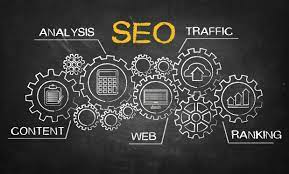
Why is SEO important?
Keep one important point in mind: optimization for Google is the most effective form of marketing. If you appear first in search results when someone looks for what you sell or do, it means that anyone, anywhere on Earth, searching to buy your product or service will find you.
The following tips will help you do that.
9 tips for better SEO optimization
1. Remove anything that slows down your website.
In the past, you could get away with a slow-loading website. It was never a good experience, and it is especially unacceptable in today's market. A slow website can ruin the user experience and put people off buying your product.
Data published by Strange Loop shows that a page taking just one second longer to load can result in 7% fewer conversions.
To potential customers, a slow website looks like an unreliable website.
Website speed is crucial for both users and search engines. According to research by eConsultancy, “40% of people abandon a website that takes more than 3 seconds to load.”
As companies become more aware of the opportunities to generate targeted leads and increase revenue through SEO, demand for speed is growing.
This means that if your website is slow, you are fighting a losing battle for the top positions in organic search, regardless of your content quality or professional website design.
Remove unnecessary elements that slow down your website. If you use WordPress, consider deactivating plugins you have installed and activated but do not actually need. Delete images you do not use.
You can test your website's speed using PageeSpeed Insights, GTmetrix, Uptrends ,…
2. Link to other websites with relevant content
Most people think linking to pages with relevant content is bad because it takes users away from their website.
Link building remains a fundamental part of a smart SEO strategy. Linking to several high-quality websites, including competitors, is great. Why? Because it helps the reader.
You cannot expect external links from others if you are unwilling to provide them first. For example, if you want backlinks from blogs covering similar content, one of the easiest ways to get them is to demonstrate your willingness to link those blogs to your own content.
Of course, you should only link to websites that offer quality content. This is a sign of a good SEO strategy.
Link building is about quality, not quantity. You will build greater trust with your audience by having a few quality links rather than numerous low-quality links.
3. Create a sitemap
Search engines cannot index a website they cannot crawl. A sitemap helps search engines navigate your website more easily. You will also submit your sitemap to Google for review. It helps the search engine understand your website's hierarchy.
4. Use optimized links
Use keywords in every link. An example is: https://ad-kraft//9-savjeta-za-bolju-SEO-optimizaciju/. When users see a link like this, they immediately know what it is about.
If users cannot read or understand your URL, search engines may be confused too.
5. Use unique, relevant titles and descriptions for every subpage
The page title is the most important element of On-page optimization. A page description will not help you rank higher for a particular term, but it matters because it appears in search results. It should contain relevant keywords and encourage the user to click the link.
6. Build a social media presence
This matters primarily because it makes it easier for your clients to communicate with you. Facebook, LinkedIn, YouTube or Twitter: the network you choose is up to you, or more precisely, your target audience, although I would certainly recommend having a presence on all of them.
7. Image keywords
Images are important for SEO.
Google has dedicated an entire section of its search results to images. That should tell you how important images are to the search engine giant.
When users look for a particular image, what do they search for? Keywords.
For that reason, you should use the right keywords in image names and accompanying text, such as captions. If your image shows “black men's T-shirts,” do not name it “click here to buy a black T-shirt.” Always remember that in SEO, relevance matters more than creativity.
8. Research every possible keyword.
This means finding all the terms you want to rank well for and that you know users will search for. These results tell you which keywords should appear on your web pages. The secret is that if you want your Self-service car washes Banja Luka | Servicing and Sales to rank well for terms “car washes Banja Luka”, “Sales and Service”, “Self-service car washes” and similar terms, those terms must appear on your website: in titles, subheadings, text, image names and so on. You can research keywords using some of the following tools: kwfinder.com, wordtracker.com and, in my personal opinion, a very good option is SEMRush.
9. Start with PPC advertising
Our top recommendation is Google AdWords, an excellent way to discover the actual interest in the keywords you are targeting. Yes, it costs money, but if your budget allows it, it is a worthwhile investment. It is also a solution when you need fast results.